
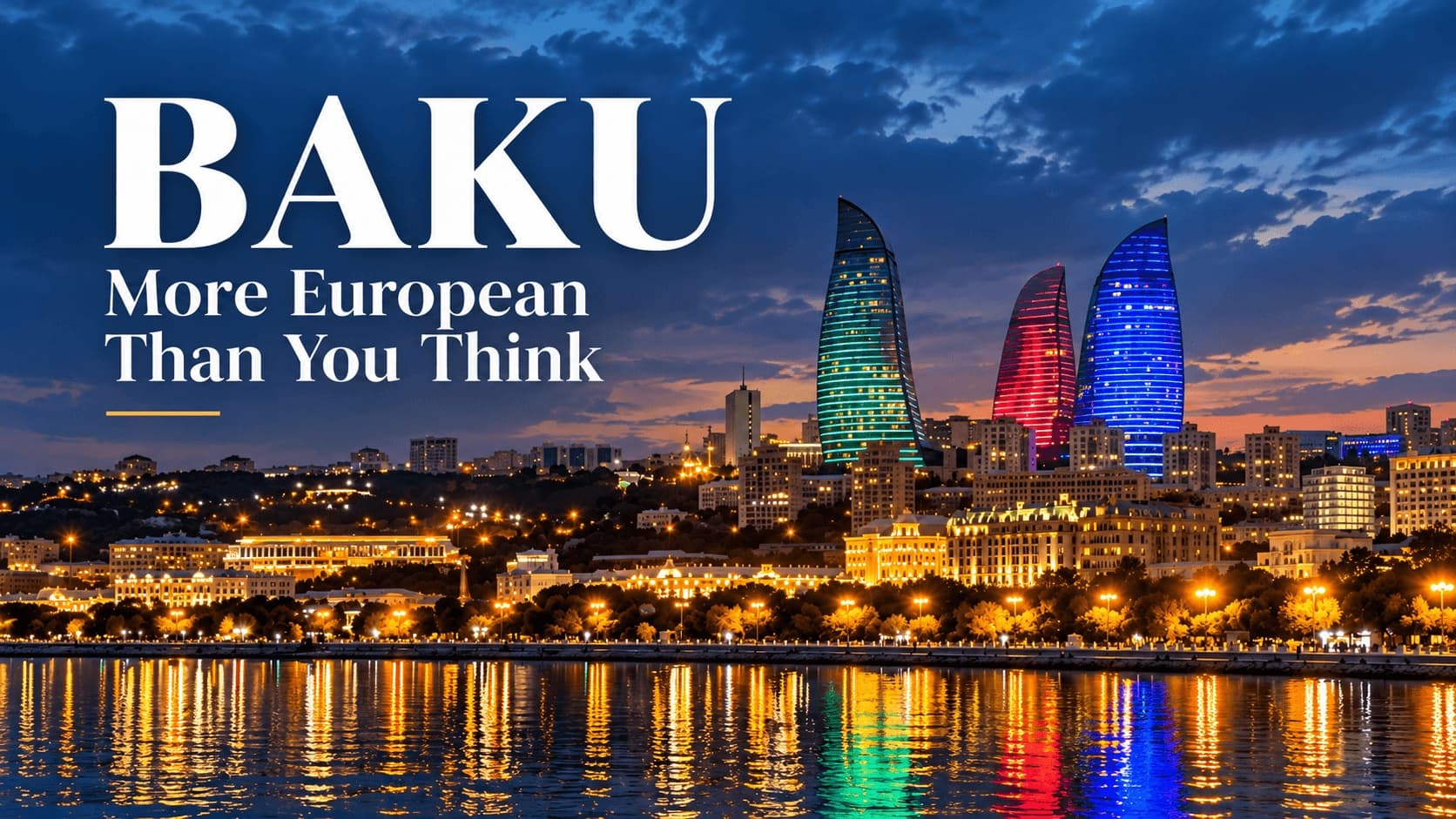
Baku is a clean, green and calm city, and that is the first thing you notice. I went to Azerbaijan for the Uzakrota summit, and I got to know the city on foot: 50,000 steps from the Caspian shore and the centre to the walls of the Old City.
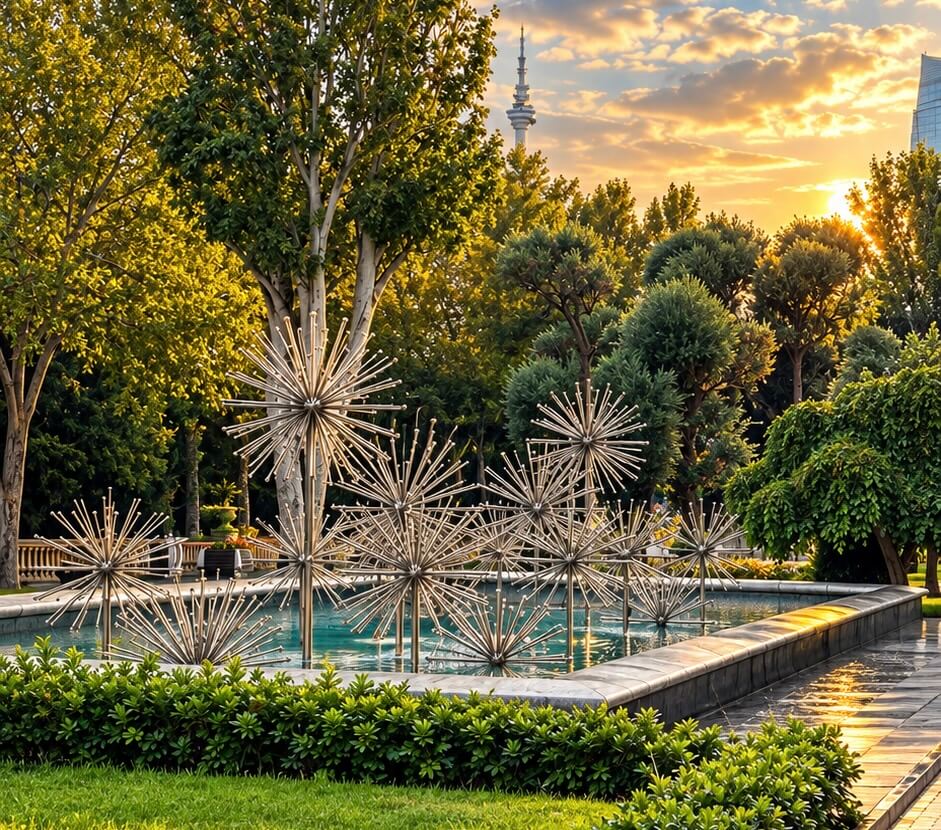
The seaside boulevard (Baku Boulevard) is a huge park right along the shore, full of children’s playgrounds, cafes and shade. In 2024 it received the Large Urban Park Award, the international recognition given by World Urban Parks to large city parks. Right next to it is the Old City, Icherisheher, with the Maiden Tower and the Palace of the Shirvanshahs, on the UNESCO World Heritage List since 2000.
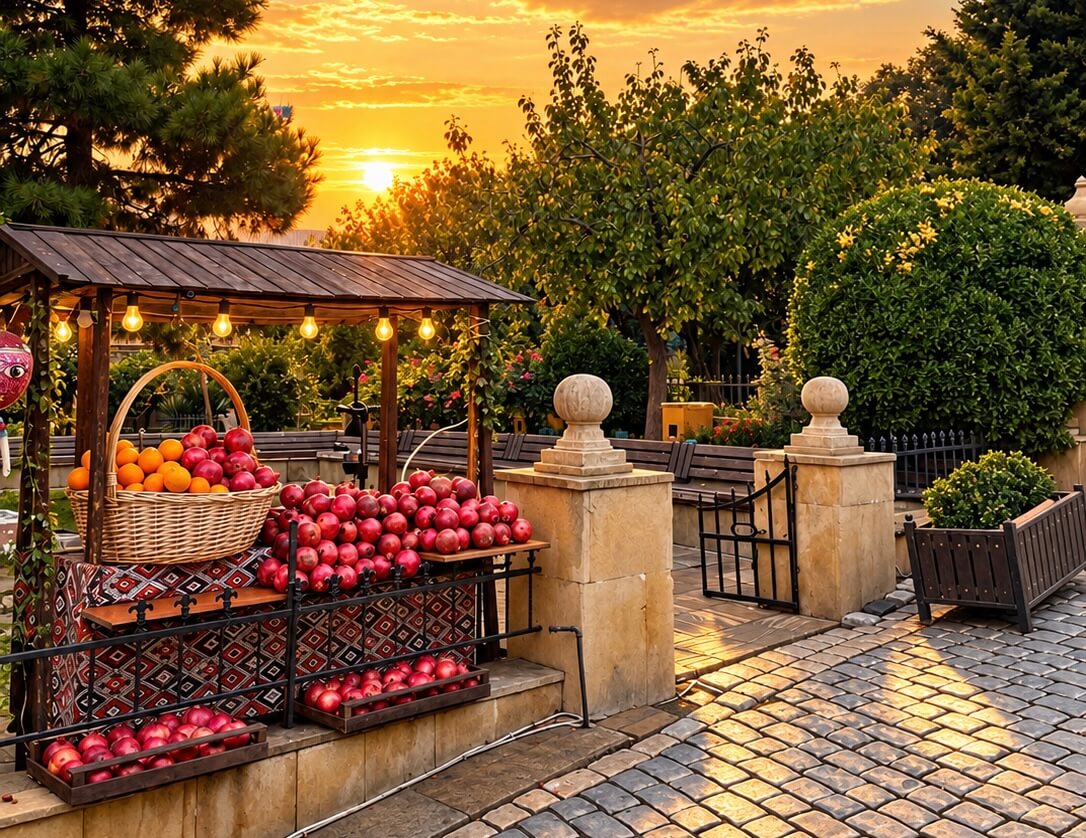
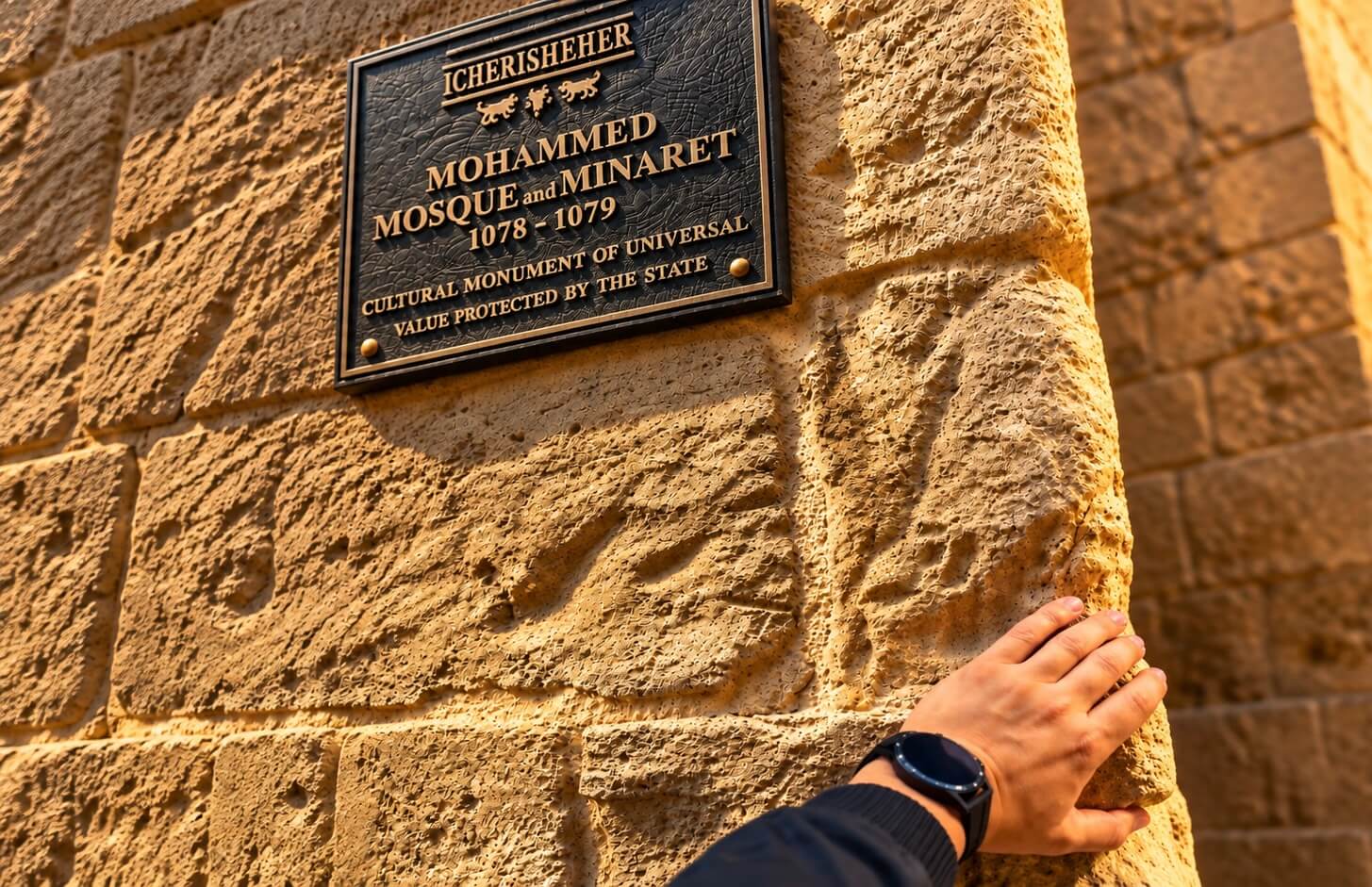
But to understand Baku, you need to go back a little.
Oil, the Nobels and the first republic
Modern Baku grew out of oil. At the end of the 19th century the brothers Robert and Ludvig Nobel came to the city, founded the Branobel company and introduced pipelines and the first tankers. Around 1900 the oil fields around Baku produced roughly half of the world’s oil. Part of that wealth, through Alfred Nobel’s share, also ended up in the fund from which the Nobel Prizes are awarded today.
Few people know that Azerbaijan had a republic before many European democracies. The Azerbaijan Democratic Republic was proclaimed on 28 May 1918 as the first secular parliamentary republic in the Muslim world. Women got the right to vote earlier than in the USA, France or Italy.
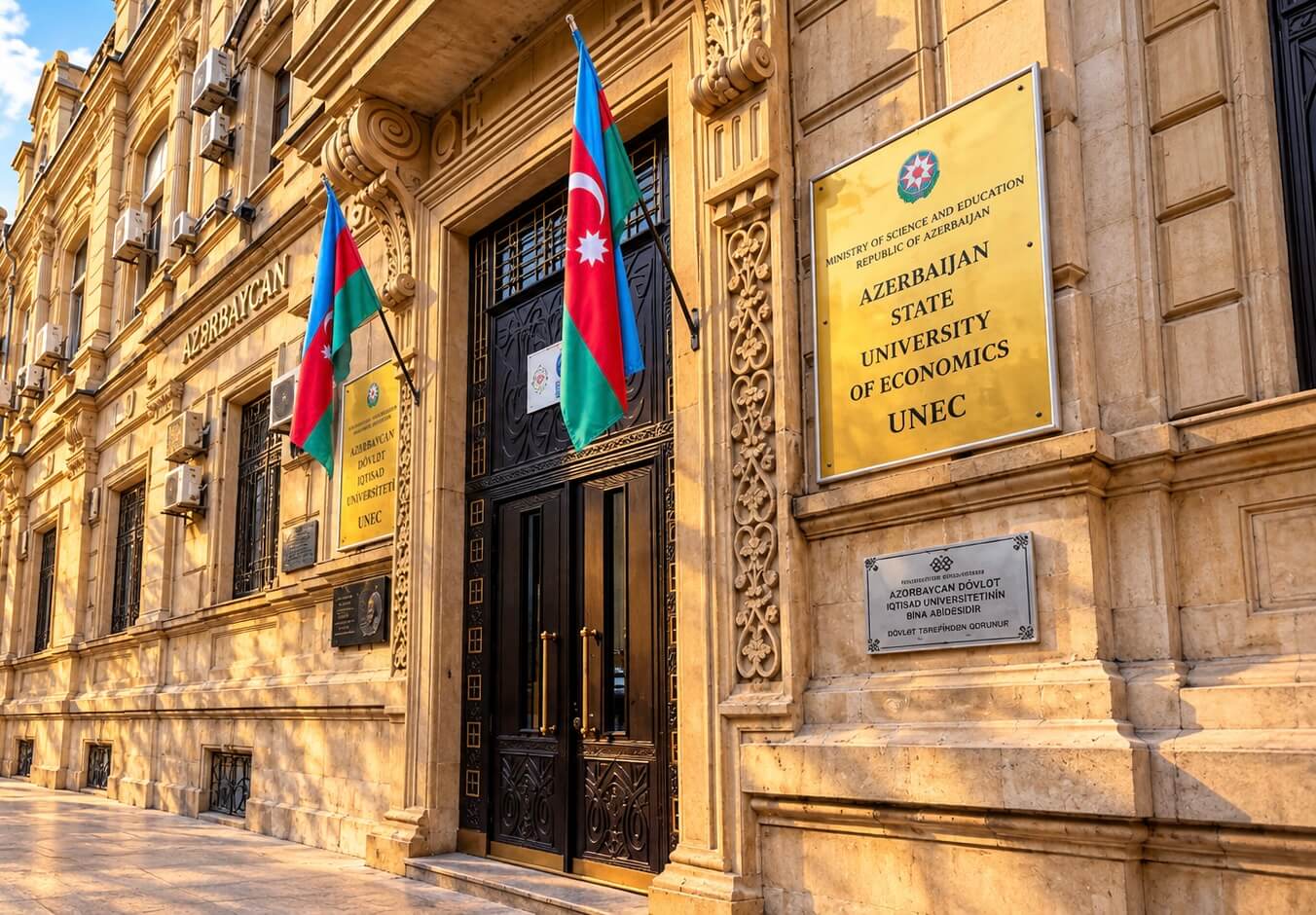
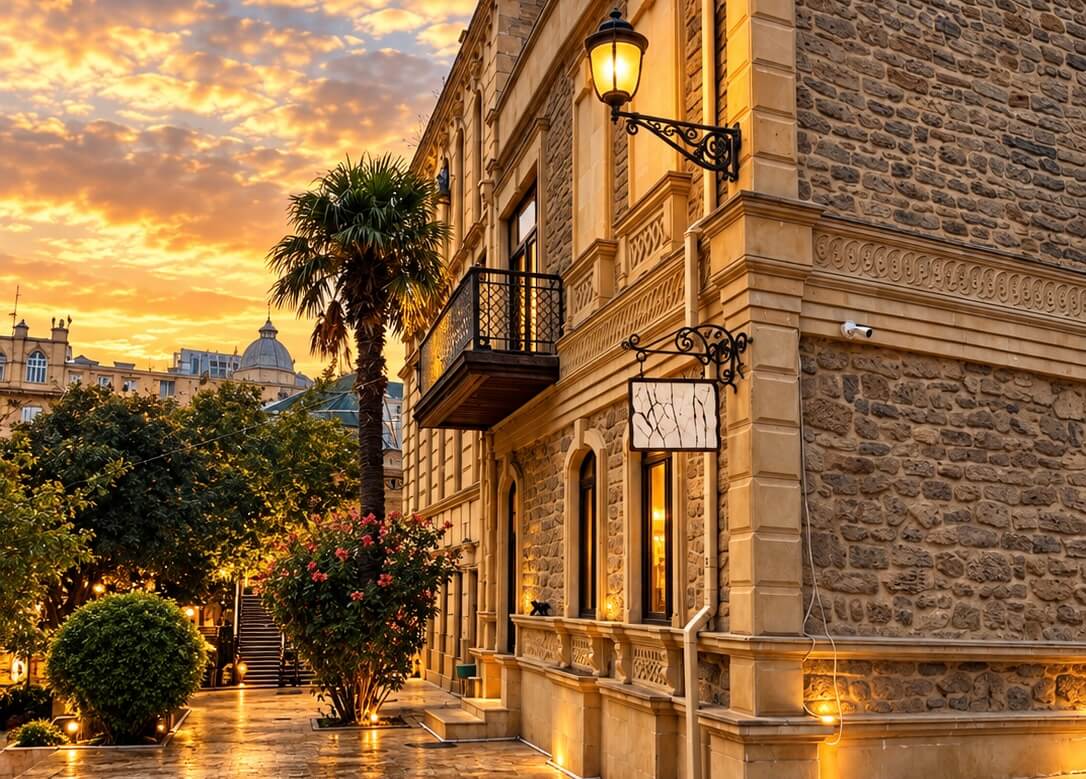
The republic lasted only 23 months. In April 1920 the Red Army marched in and Azerbaijan became part of the Soviet Union. Independence was restored in 1991, and today’s state sees itself as the successor of the one from 1918.
Between Turkey and Russia
Azerbaijan faces Turkey, but it does not turn its back on Russia. You can feel that balance everywhere.
The bond with Turkey is brotherly. Relations are described with the slogan “one nation, two states”, and many young Azerbaijanis study in Turkey. Azerbaijani belongs to the same Oghuz branch of the Turkic languages as Turkish. To my ear they sound very similar, and Azerbaijanis and Turks understand each other without any trouble.
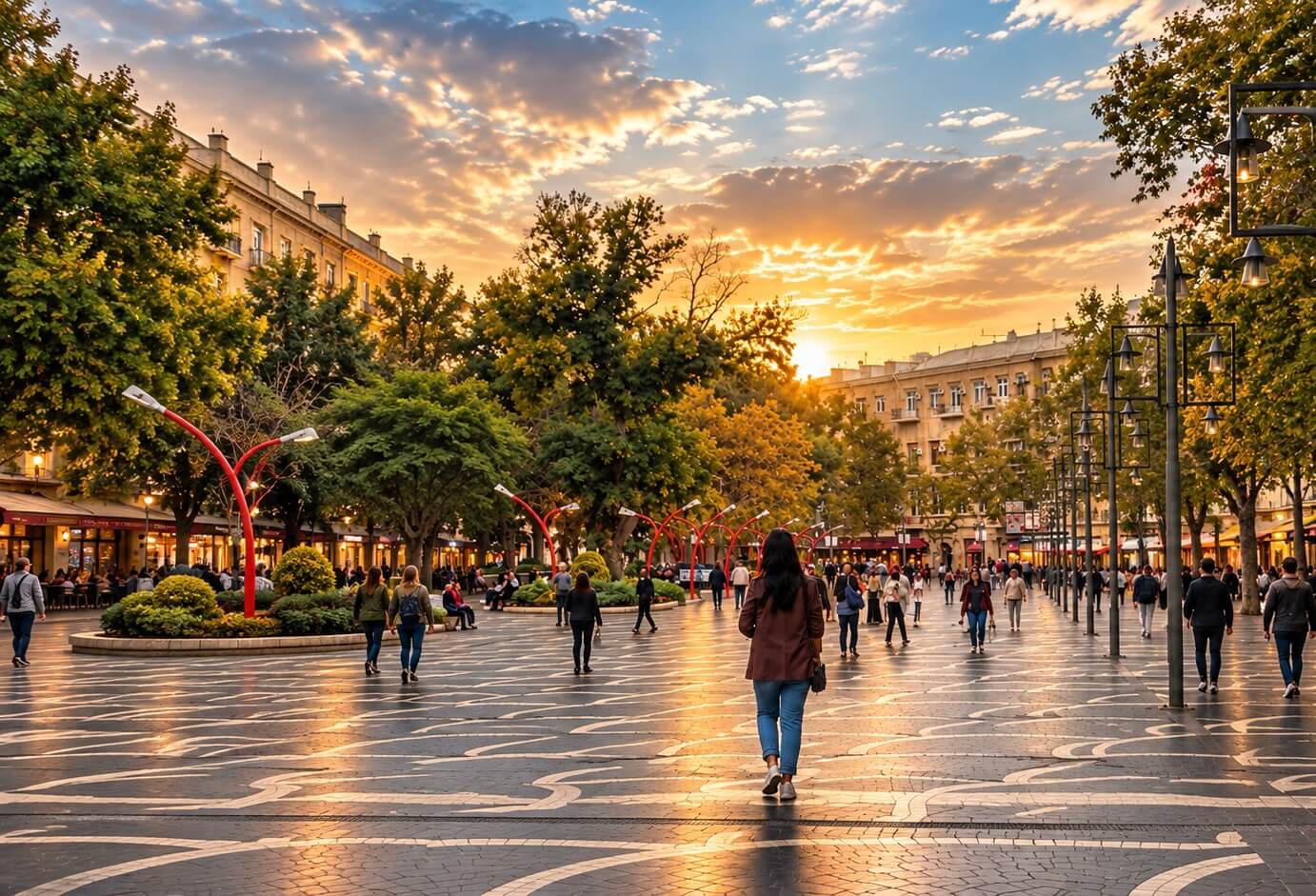
The bond with Russia is older and different. Almost two centuries within the Russian Empire and the Soviet Union left Russian as the city’s second language. English is not their strong point, but you can make yourself understood, and almost everyone speaks Russian and Turkish.
No one explains it to you, but you can see it: Baku stands at a crossroads and takes care not to depend on anyone. A strong state, relying on oil and gas, that acts fairly independently. As far as I could see and read, they are not particularly interested in the European Union.
A city where everything is in its place
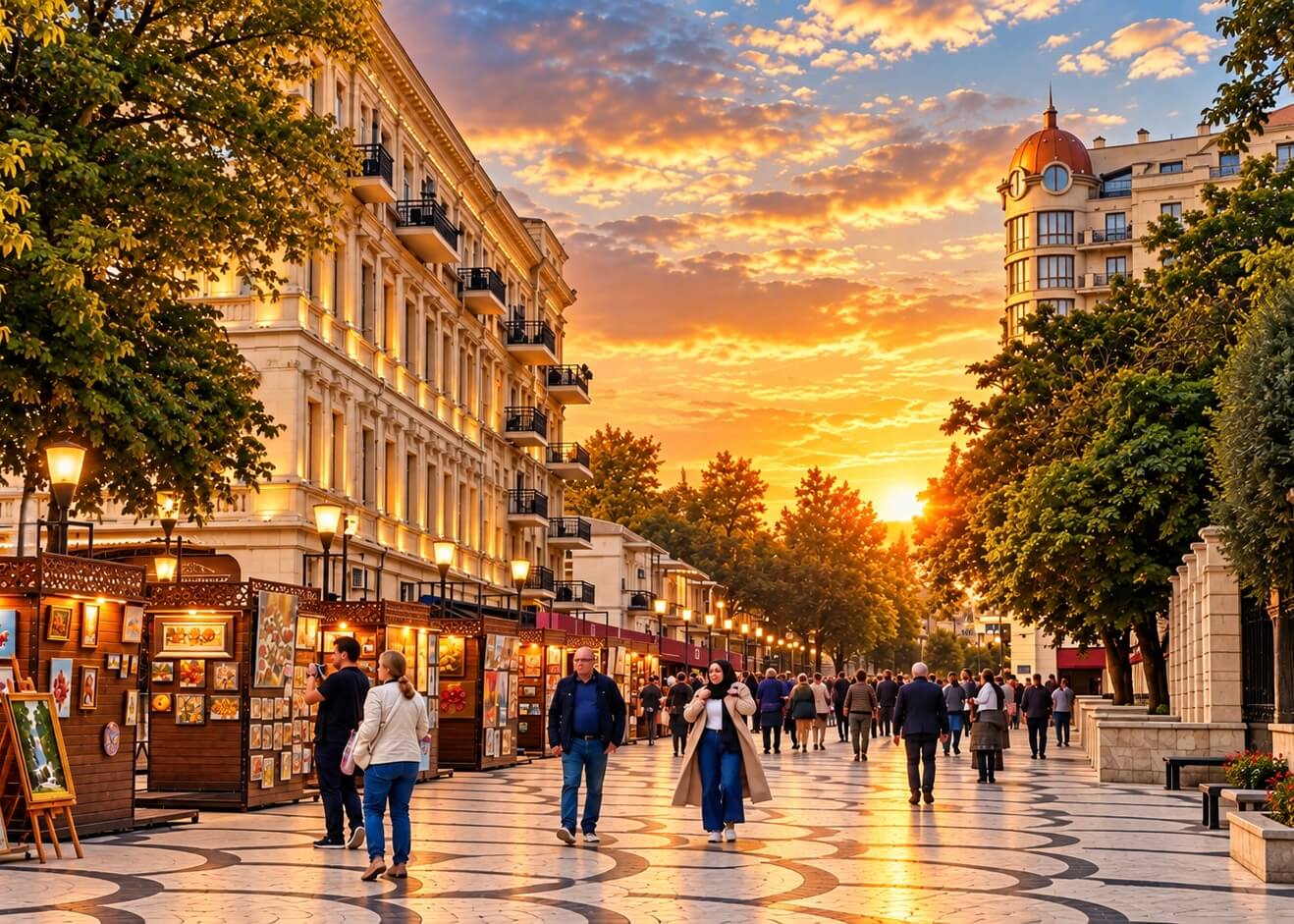
In Baku you can see that someone is thinking about the city. There is a lot of green space, and every bit of it is well kept and purposeful, not leftover space between buildings.
The boulevard also hides a surprise: Little Venice. The idea came from Alish Lemberansky, the Soviet mayor of Baku, who came back from Venice so enthusiastic that he decided to build a small version of it by the Caspian Sea. The canals and bridges were built in the 1950s and 1960s, and today you can ride gondolas through them, between islets with restaurants. It is not Venice, and it does not try to be, but it is a pleasant break during a walk, especially in the evening when the lights come on.
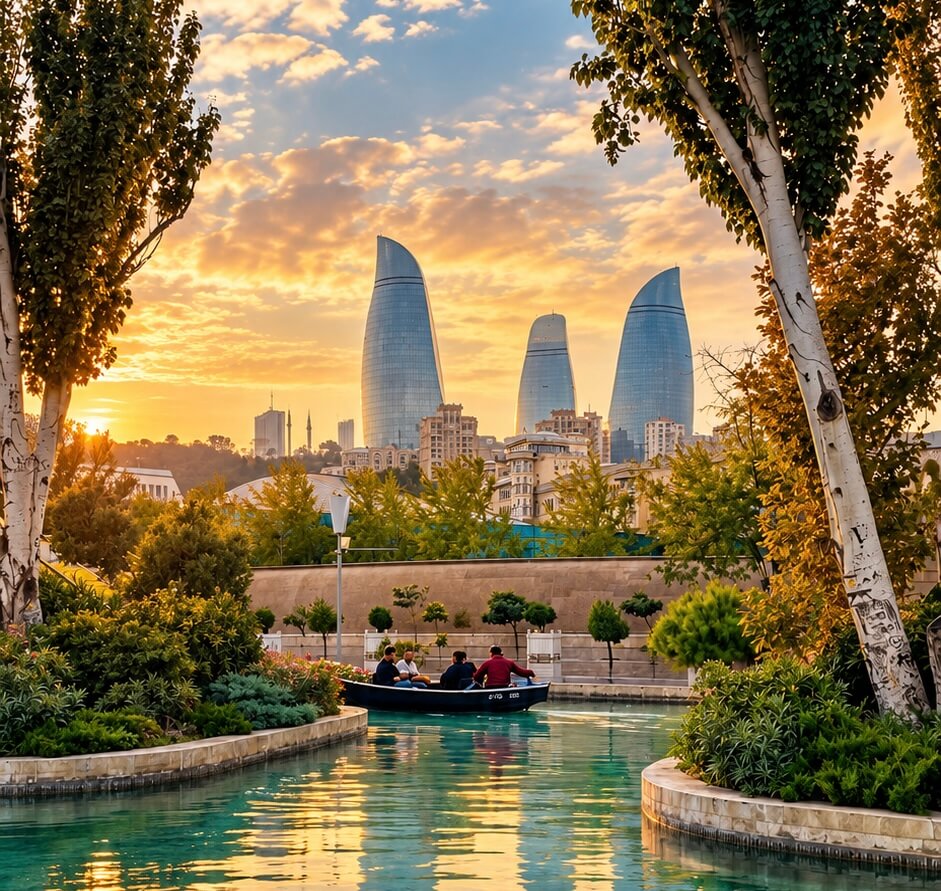
From almost every corner of the city you can see an enormous national flag. On State Flag Square it flies from a mast about 201 metres high, and the 40 by 80 metre flag is listed in the Guinness Book of Records as the largest flying flag in the world. It becomes a landmark: wherever you get lost, the flag tells you where the sea is.
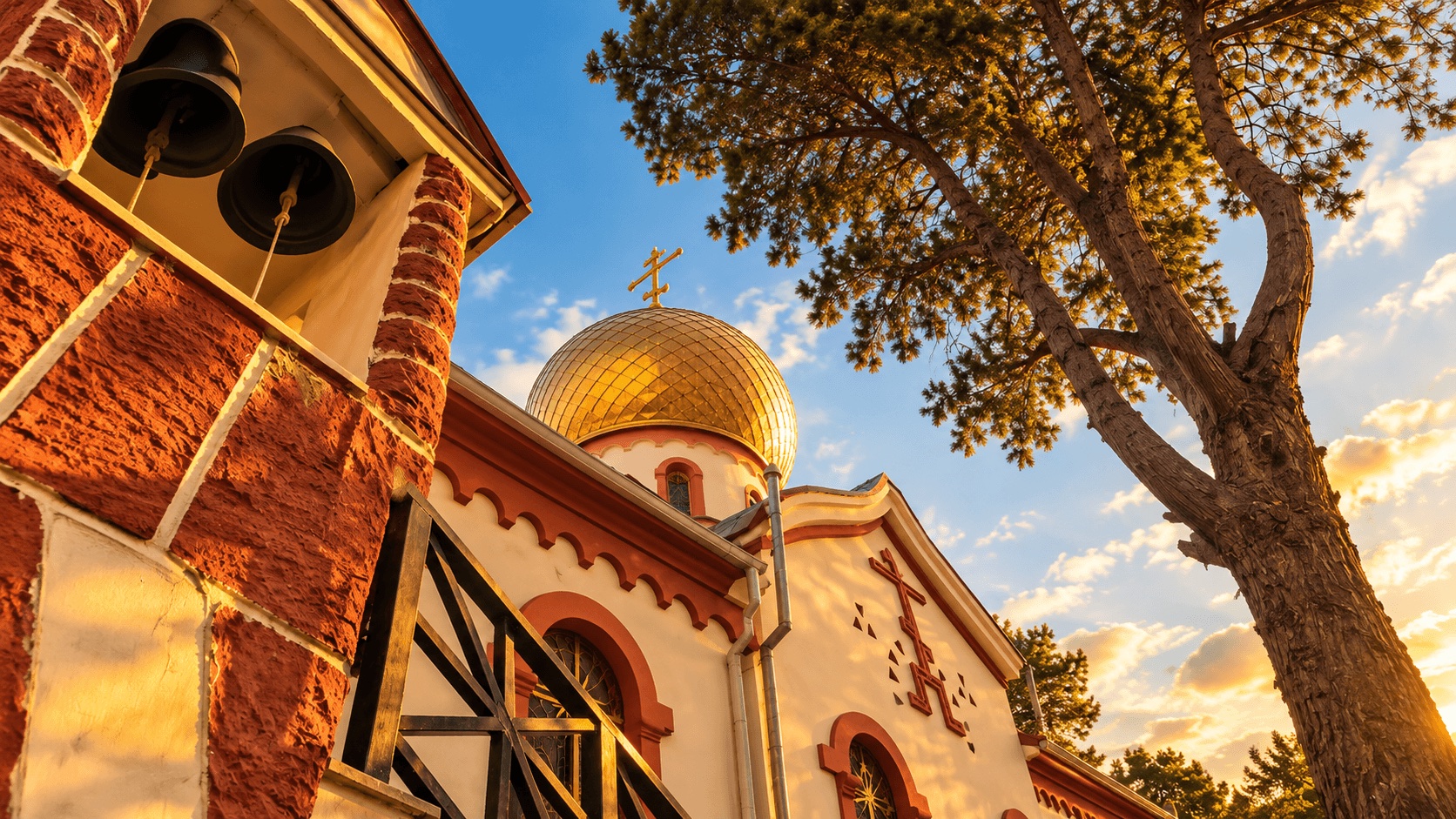
The mix of traditional and urban is visible in the architecture too, but nothing is clumsy. We came across a mosque, an Armenian and a Russian church, and all of them blend nicely into their surroundings, without overstatement.
The small things say the most:
- waste bins on every corner
- in many places, small houses for cats, with water and food
- smoke-free indoor spaces; a law restricting smoking in public places has been in force since 2018
- a good part of the city under cameras
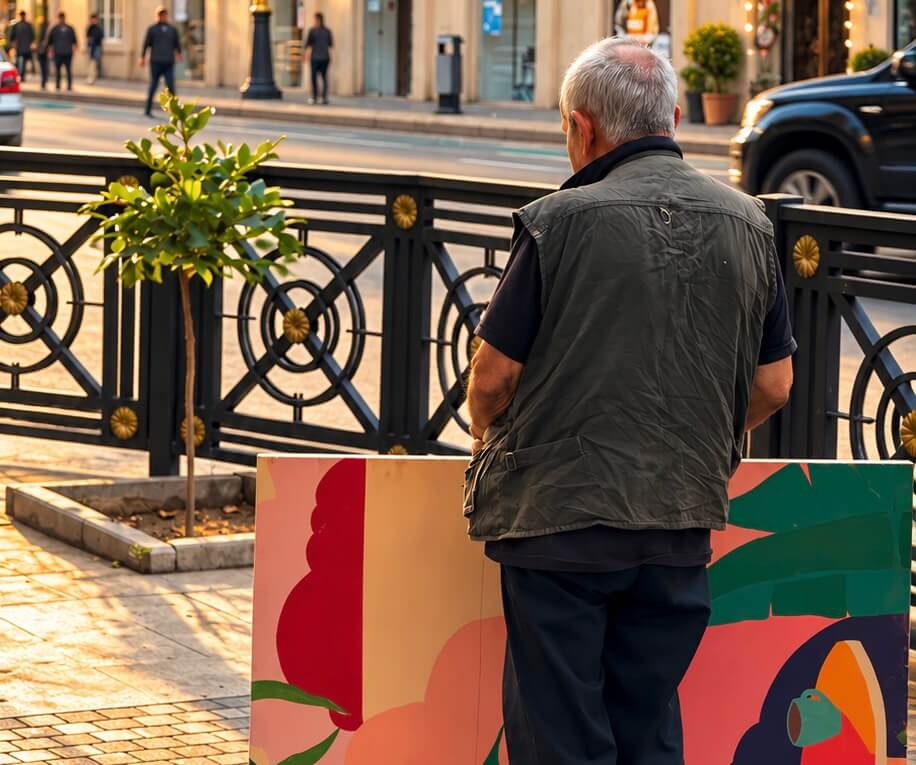
The cameras have another side too. Young people sit in the park and on the shore, phones and handbags lying next to them, and no one looks over their shoulder. That is when you realise what they are for.
The streets are dominated by cars from the Asian market, with many luxury vehicles and SUVs. All in all, it gives the impression that Baku is a good place to live.
The people are a story of their own
People in Baku are urban, and I did not notice any difference between them and people in other European cities. On the contrary, they are more European than many who carry that label from the West.
They are not pushy. They are relaxed, they let you come closer, look, ask, without any expectations. And in cafes and restaurants they are curious, asking where you are from and what you are doing in Baku.
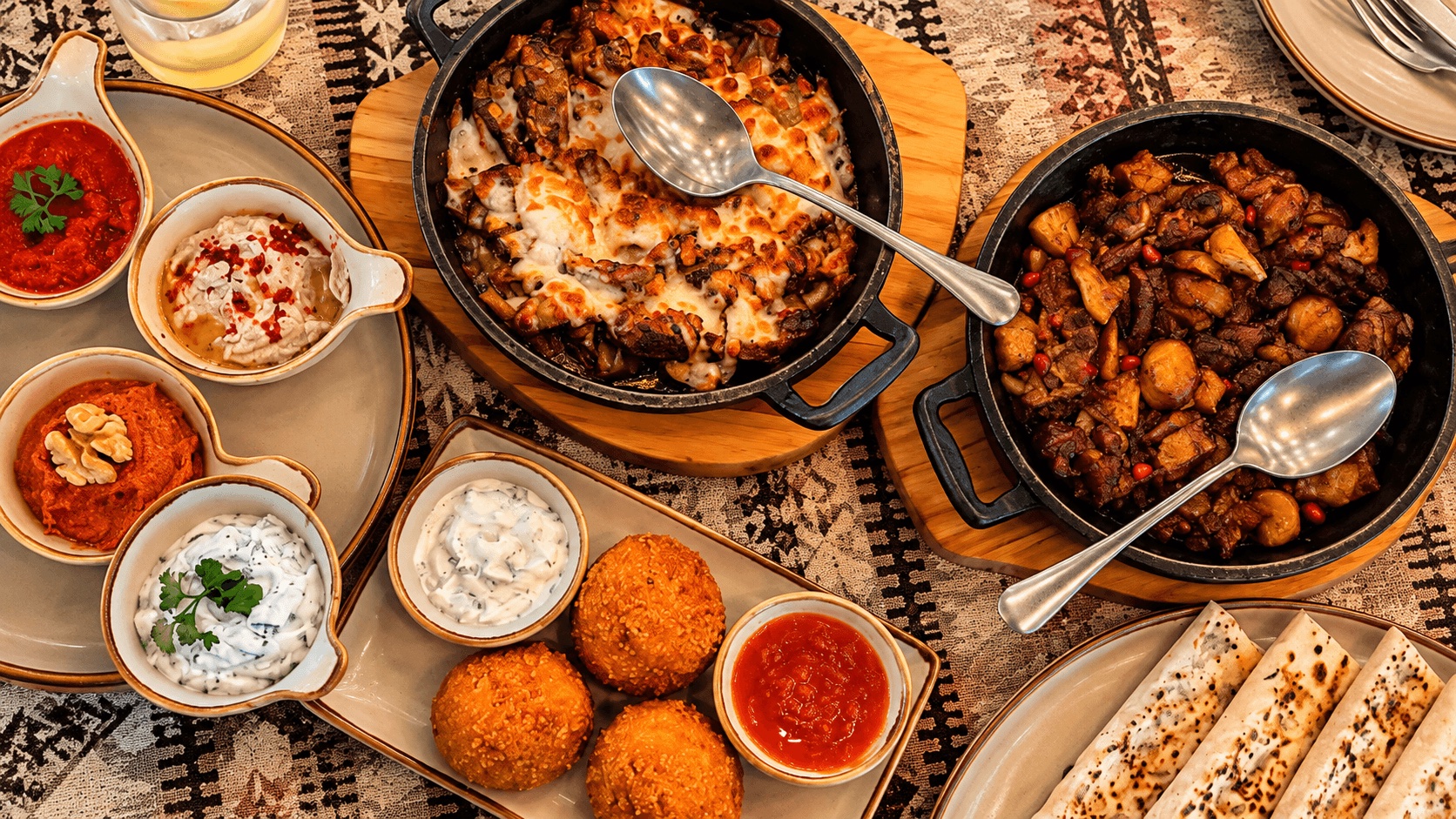
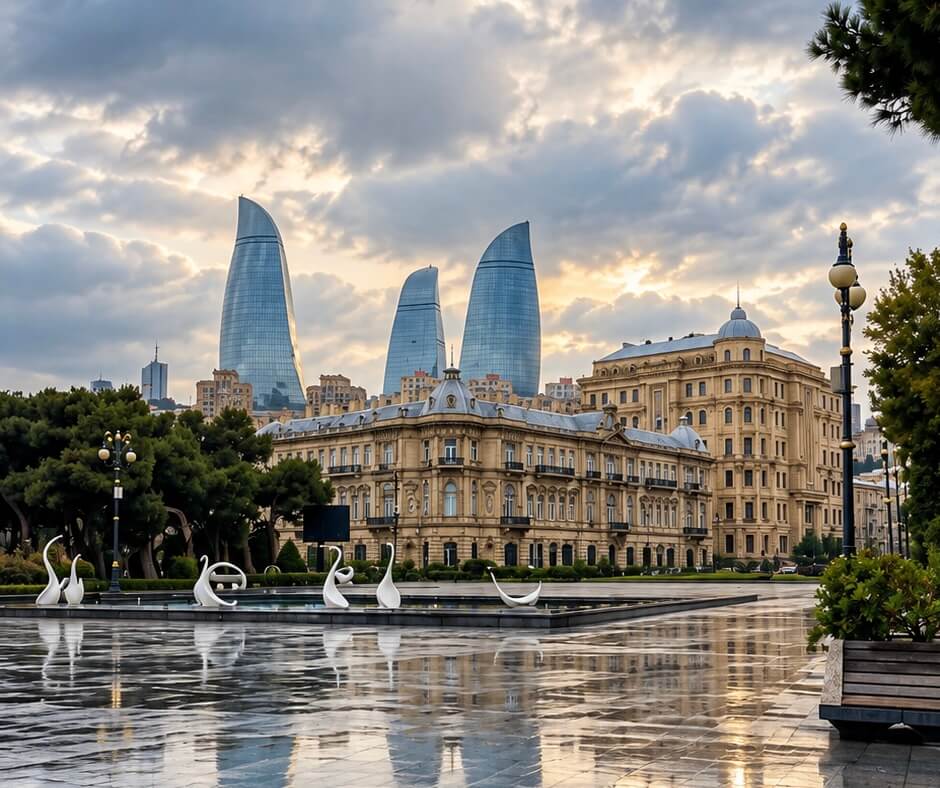
The young people are urban, and the food is phenomenal. All in all: calm, relaxed, safe, very clean and green.
Why Baku, and why now
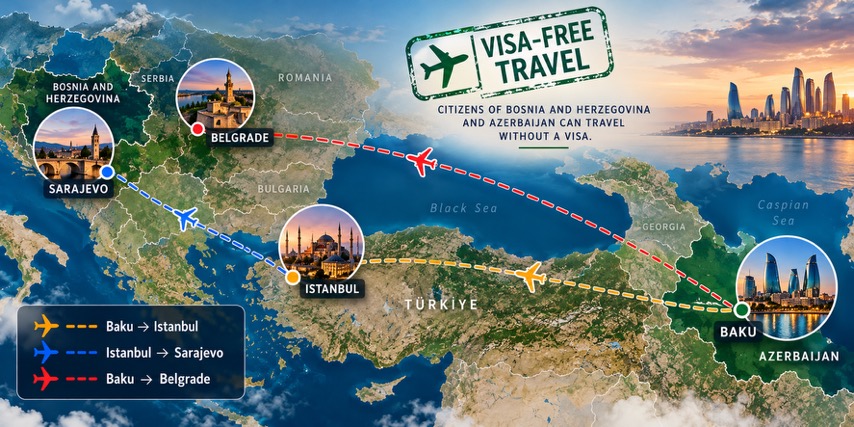
Baku is closer than we think. From 1 August 2026 to 1 August 2027, citizens of Bosnia and Herzegovina can travel to Azerbaijan as tourists without a visa, with up to three entries and up to 30 days per visit. Citizens of Azerbaijan did not need a visa for BiH even before.
You could feel it at the Uzakrota summit: a large number of Azerbaijani agencies were interested in working with our region. The most realistic option for combined tours is a direct flight to Belgrade, while a transfer via Istanbul to Sarajevo is more expensive and less practical.
This autumn Baku also has a football reason for a visit. Sabah, a club founded only in 2017, won the double last season and ended Qarabag’s dominance. This year it is playing in the Champions League league phase for the first time, as the youngest club in the competition’s history to reach that stage. At the Olympic Stadium in Baku it hosts Barcelona, Borussia Dortmund, Napoli and Slavia Prague. For agencies putting together packages, that is a ready-made reason to travel.
That is why it is worth going. Not as to an exotic destination, but as to a city that is culturally closer to us than it seems, and in many ways a step ahead.
Similar posts
Sipovo on the water
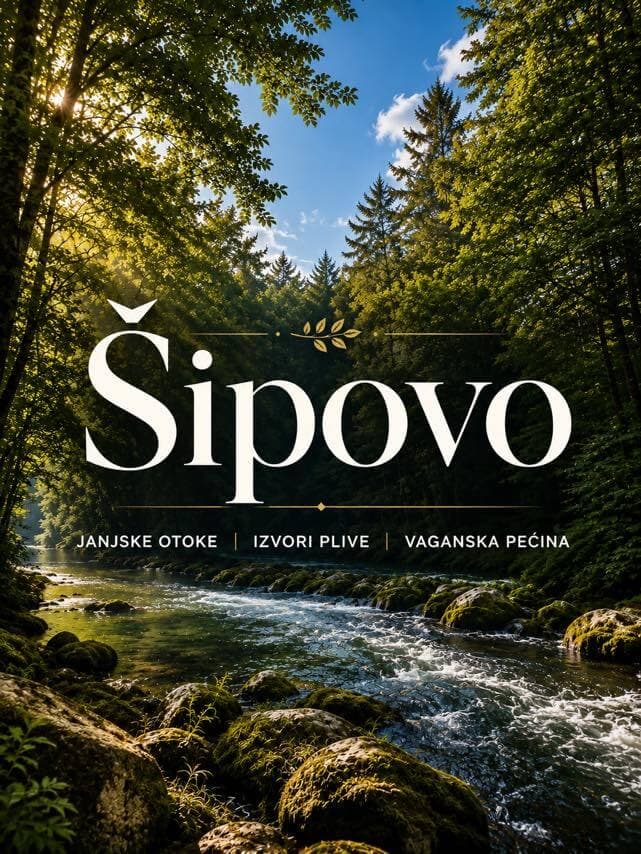
This is not my first time in Sipovo, but I have to admit that, unlike the last visit, the place feels much more touristy than before. At every turn there are apartments, bungalows, cottages, eco zones — of this kind and that, to be fair — but it is quite clear that a good part of the locals has started to take on the role of host. That is good for this place, because the situation with the attitude toward nature is critical, and I hope that a strong interest from locals and a significant flow of visitors will protect it — in the sense of seeing nature as a tourism resource from which the whole community can benefit, not only a few individuals. Source of the Pliva River Sipovo has, if one can put it this way, breathed out after corona. It has been discovered. We all discovered it a little, promoted it, saw something unique, important and potent to sell. Walking around, I feel a little important, because I know how many times and in how many places and occasions, recognising the potential, I promoted this place. There is still a great deal to do and to put in order. Some of the things I saw are not dear to me, but this text is not about that. Crowds on the islets At the Janj islets a crowd was waiting for me. Parking is paid, but so many cars parked in every possible way is itself enough to create unease. There is a bus as well, just arrived. As usual, I check in with Dragana first. I wanted to yesterday too, but that was impossible because of the crowds. The Janj islets at Dragana’s… colourful, sweet and packed like a pomegranate. Konoba kod Dragane Unlike some previous visits, it is noticeable that other locals have organised too, so you have a few more options nearby to sit down. It is not at some high level, let’s be clear, but decent in a village way. In the end you come for something like that. Fine, the bench for sitting could be repaired, because you are charging for sitting on it. But those are details. Waterfalls and “compensation” Earlier you could not really reach the waterfalls; now you can, along a nice gravel road. Again it is through private land, and passage is free, although a kind woman at the entrance, and a sign as well, suggest you buy something as compensation. The beer is cold. Prices are symbolic, but you know how the saying goes: grain by grain. My older boy even got a candy. The waterfalls are beautiful. One approach is easy; the other demands great caution because of the height and the terrain. And there too you can see locals selling, mostly refreshments at symbolic prices. Nearby there are houses that rent accommodation. The impression is that everyone is renting accommodation. Demand does its work. I conclude that many people walk, circulate, leave and arrive. Sunday, it seems, is a special day for a weekend visit to the Janj islets. I see that also by comparing it with the trip to the source of the Pliva, where we were the only ones. There were no crowds on the visit to Vagan Cave either, but there was circulation there too. They have done it up nicely. The approach is paved. The explored part of the cave that is allowed for visits and tours is not long, so you can finish relatively quickly. Vagan Cave is worth visiting. Perhaps some basic equipment should be provided, say protective helmets. The cow as an attraction Back to the islets. Cows are all around us. From their milk comes one of the most beautiful cheeses we have — Janjska pletenica. It is interesting how many people photograph them. The impression is that they are an attraction. Carried by that, I photograph them too. And I often talk about this in the media and in workshops: original, simple, everyday situations, under the pressure of great changes in the way of life and its speed, are changing. We have become estranged from what we were. The cow is an attraction. Raj na vodi A few hundred metres from the main parking there is a nicely and tastefully arranged cafe/restaurant, “Raj na vodi”. You can also approach by car. Lord, it is terribly Instagrammable. There are plenty of details that wake your interest. Every guest holds a phone, turns their head and just clicks. I am here for the first time. The trout was tasty. I keep thinking how almost the entire Janj islets are photogenic. A formidable extra motive for coming, in today’s world “on a click”. Time will tell whether Sipovo, with its springs, rivers, caves, old-growth forests and the Janj islets, will manage to make a quality, sustainable story. Whether it will make a recognisable and unobtrusive setting, grounded in natural phenomena and an authentic experience — because it definitely has all the preconditions for that — or whether over time it will go to the completely opposite extreme. The chances, at this moment, are even.
The awakening of early-season tourism
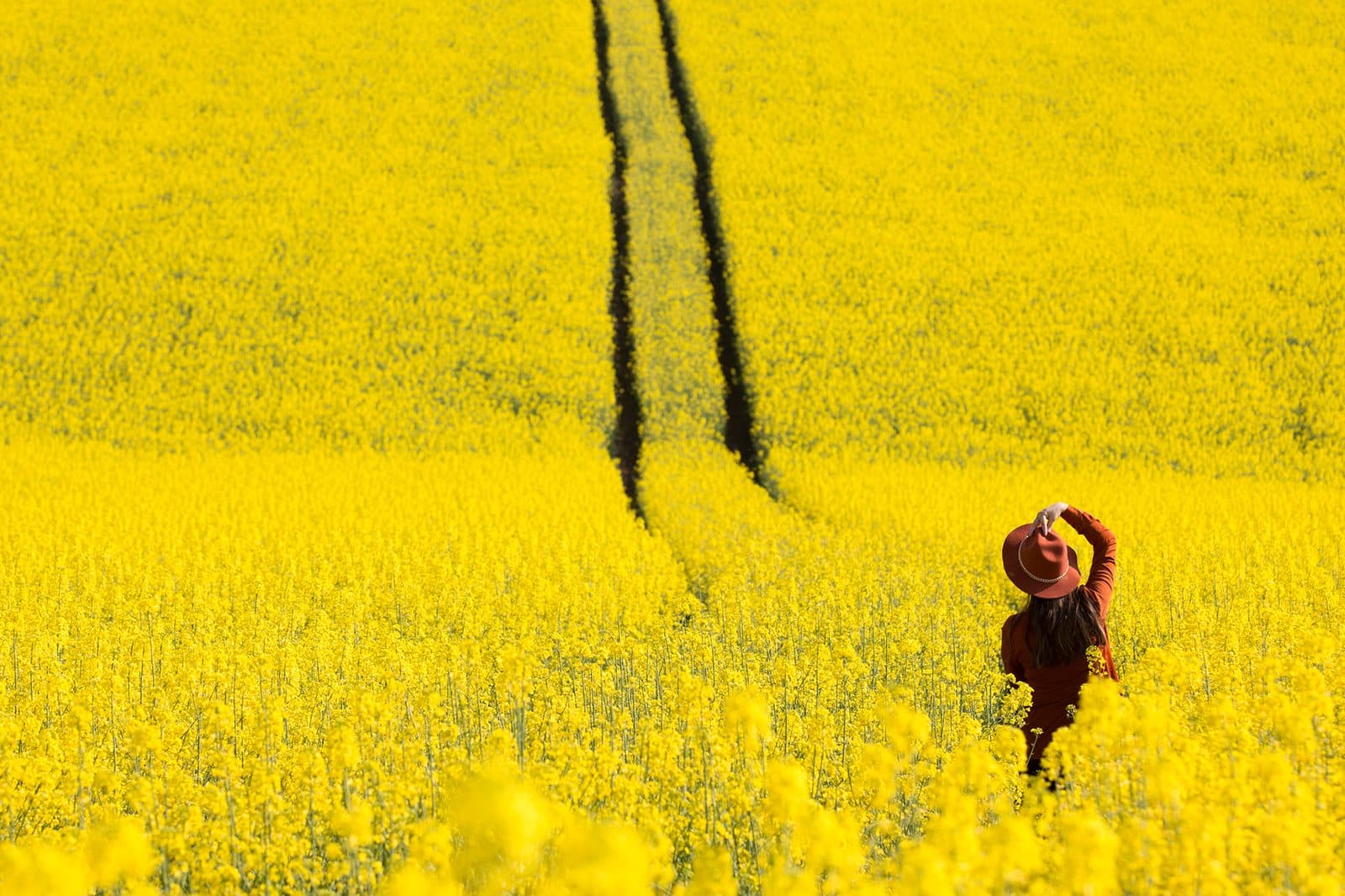
Spring is the season that brings new energy to people, to nature, and to the idea of travel. Days grow longer, the sun warmer, and the colors of meadows and trees more vivid. Everything around us comes into bloom, so it is no wonder that this is when we start thinking about day trips, walks, bikes, hiking trails, and short weekend getaways. After winter stillness, free time once again finds meaning in movement and time outdoors. " Travel and change of place impart new vigor to the mind". Seneca Manjača/Milena Erceg Visoravan Morine/Miljan Rogan In this period, domestic tourism begins to bloom along with the vegetation. Ski resorts slowly grow quiet, but hiking, cycling, and walking trails wake up instead, along with river and lake shores, springs, and nature parks, all the way from Orjen to the Una. Camps and picnic sites across the country become centers of activity and enjoyment of nature, announcing the season that follows. Park prirode Orjen/Herz Adventures Polje lavande u Ljubinju/Radovan Dangubić What makes domestic tourism special is its authenticity. Domestic travelers have nothing to wait for from the "main season"; on the contrary, they are the first heralds of tourism, just as snowdrops are the heralds of spring. It is precisely these events and activities in our rural areas, lakes, and mountains that lay the foundations for developing tourism products in smaller communities, even if progress is slow, even if we are not yet aware of that fact, or simply overlook how much wealth we have within reach. Is it really far for someone from Trebinje to go to Lake Alagovac in Nevesinje? Or for people from Banja Luka to visit the springs of the Pliva? These mini adventures require nothing but willingness and a little time. Still, with growing interest comes responsibility. If we love nature, let us show it through our actions. Let us leave destinations clean, and not leave plastic, paper, or cigarette butts behind. Let us build a habit of respect for the space that feeds and calms us. Whom are we really leaving trash for if not ourselves? Every cigarette butt thrown from a car window, every bit of litter left after a picnic, and every unemptied container speaks to our relationship with the place where we live. Why give anyone the chance to judge us by trash thrown beside the road? We can do better than that. A little more conscience and collective responsibility is enough. It may sound ironic, but while the world changes rapidly and uncertainty grows, we are becoming one of the safer and more pleasant destinations. Where else can you reach a dense forest from the city center in an hour? Where can you scoop water from a spring with your hand and drink it, or nap on a bench without fear? Leave your personal belongings on the table while you drink coffee? Yes, we may not have perfect public transport, a taxi driver may count in euros, but almost everywhere you will meet a sincere smile and a readiness to help you arrive on time and at the right moment to any attraction or location. It is precisely that warmth and sense of safety that for years has been one of the more important reasons and motives drawing guests and creating value greater than expected. Regardless of the narrative we have been fighting for 35 years now. Perhaps it is time we start expecting more of ourselves, and that we value what we have, nurture nature, and proudly be tourists in our own country.
Act local, think global
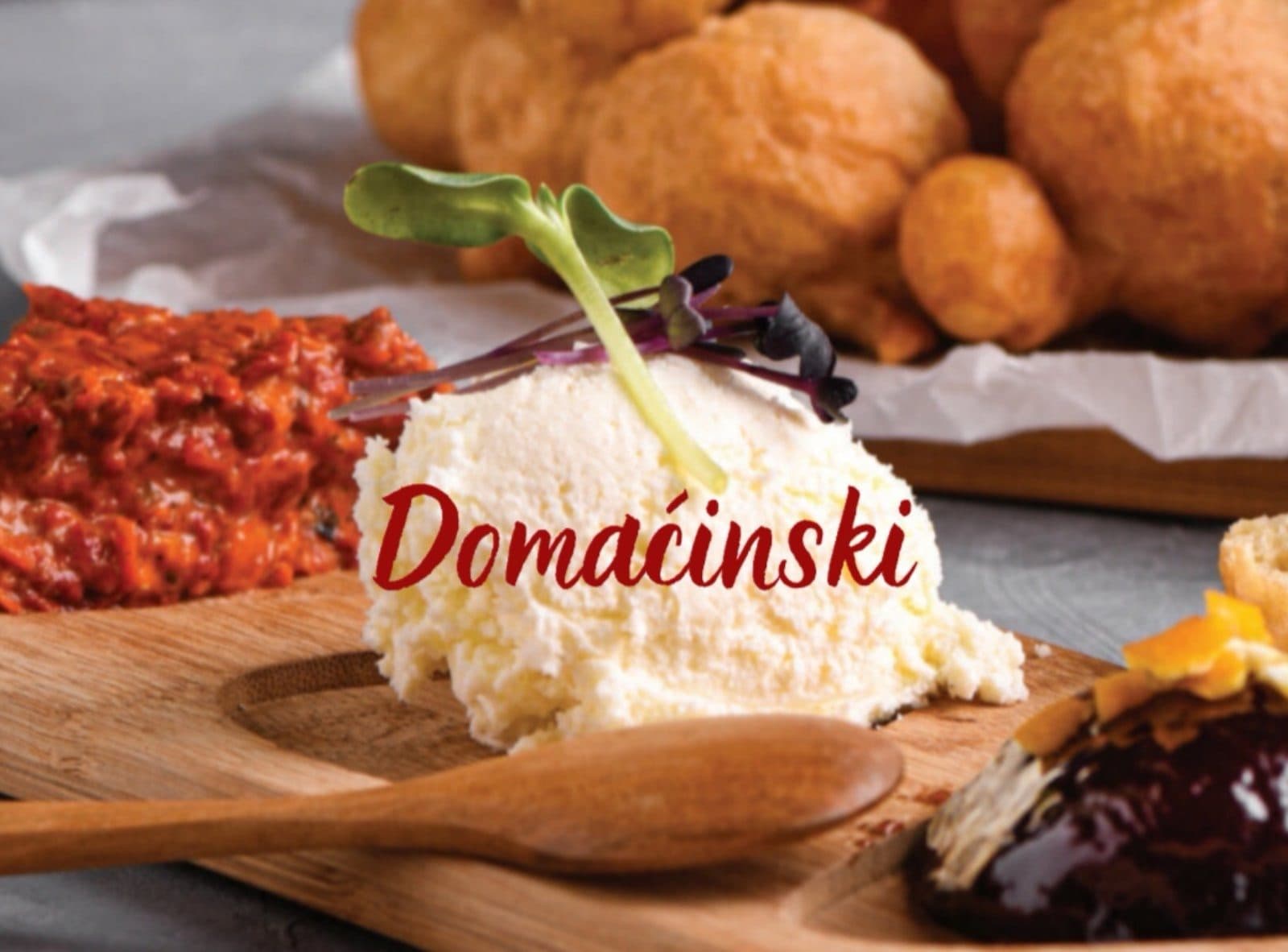
In a hotel in Budapest I saw something that impressed me both as a person and as a professional. It was a special corner in the breakfast hall, entirely dedicated to local flavors. All of us who have been in tourism for a long time know well how this works in practice, and there is no point in fooling ourselves. It is clear that local producers often cannot keep up with the pace of large hotel chains. Sometimes the issue is quantity, sometimes transport, or those strict papers and standards dictated by laws and corporations, and, hand on heart, price often drives the story too. It is hard to expect every item on the buffet to be local, because the operational logic of large systems simply demands something else. However, setting aside one corner, clearly marking it, and giving it importance is something else entirely. Just imagine that table with our beautiful, ripe cheeses , real honey, or cured meat that smells of tradition and the home hearth. When you offer a guest those small jars of homemade wild-berry jams or a box of carefully chosen teas from Herzegovinian or mountain herbs, you are telling them a story about yourself. With that move you clearly tell the guest, and the whole community, that you value the region where you work. That is what would, from the start, already on the first morning when a guest gets up and goes to breakfast, make the difference between a mere overnight stay and a true experience of the destination. Perhaps this could be a good homework assignment for our hoteliers as well. To turn the story and the wishes into a concrete concept.